
Scams and fraud: how to spot them
Scammers are clever, patient and good at pressure. The good news is that their tricks follow a pattern. Learn the warning signs and you can protect your money, your accounts and your peace of mind.
A scam is a trick designed to get your money, your personal details, or both. Fraud is the wider word for any dishonest act that takes money or property unfairly. Scammers do not target only the careless. They target busy people, kind people, curious people, and sometimes just anyone.
The most useful thing to remember is this: real organisations rarely rush you, and scammers almost always do. Slowing down is your superpower.
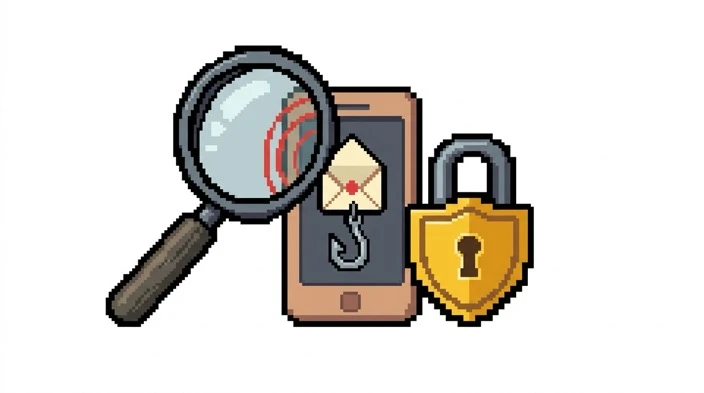
The red flags that give scams away
Scams come in thousands of costumes, but they share a few warning signs. If you spot even one, stop and think.
Urgency and pressure
"Act now or your account will be closed!" "This offer ends in ten minutes!" Pressure is designed to stop you thinking. A real bank, school or business will give you time to check.
Too good to be true
Free money, a surprise prize you never entered for, or investments that promise huge, guaranteed returns. If it sounds amazing and easy, it almost certainly is not real.
Unusual ways to pay
Requests for gift cards, cryptocurrency, or bank transfers to a stranger are big warning signs. These are hard to trace and nearly impossible to get back.
Asking for secrets
Passwords, PINs, verification codes and full card numbers should never be shared with someone who contacts you. Real organisations will not ask for them out of the blue.
Contact you did not expect
A call, text, email or message from someone you do not know, or from someone claiming to be a company you deal with, especially if it includes a link or an attachment.
Common scams to know
Here are some of the most common types, and what makes each one tick:
| Type of scam | How it works | Best response |
|---|---|---|
| Phishing | A fake email or text pretends to be your bank, delivery company or a government service and asks you to click a link or log in. | Do not click. Go to the real website or app yourself. |
| Impersonation | Someone pretends to be a friend, relative, or official, often saying they have a new number or are in trouble. | Hang up and call the real person on a number you already know. |
| Online shopping | A shop or marketplace seller offers a bargain, takes payment, and the item never arrives. | Use secure payment methods and check reviews and seller details. |
| Romance and friendship | Someone you met online builds trust, then asks for money for an emergency. | Never send money to someone you have not met in person. |
| Fake investments | Promises of quick, guaranteed profits, often involving crypto or trading apps. | Walk away. No honest investment guarantees returns. |
| Gaming and social media | Free in-game currency, skins, or giveaways that ask for your login details. | Never share your login. Only buy through the official store. |
Why scams work, even on smart people
Scammers are not just good with technology. They are good with feelings. They use emotions like fear, excitement, kindness and curiosity to push people into acting before thinking.
Falling for a scam says nothing about how clever you are. It simply means a skilled person found a moment when you were rushed, worried or hopeful. Knowing this takes the shame away, and makes it easier to speak up if it ever happens.
How to protect yourself
A few simple habits go a very long way:
- Pause. Take a breath before you click, pay or reply. Nothing legitimate is lost by waiting an hour.
- Verify. Contact the organisation using a phone number or website you already know, not one in the message.
- Use strong, different passwords for important accounts, and turn on two-factor authentication where you can.
- Keep devices updated so known security holes are fixed.
- Be careful what you share online, because scammers use public details to sound believable.
- Talk about it. If something feels odd, show a parent or trusted adult. Two sets of eyes beat one.
What to do if you think you have been scammed
It can happen to anyone, and acting quickly makes a real difference. Do not feel embarrassed. Take these steps:
Your quick action plan
- Stop all contact with the scammer, and do not send any more money.
- Tell a trusted adult straight away.
- Call your bank or card provider so they can try to stop or reverse payments.
- Change passwords on any account that may be affected.
- Report it to Scamwatch at scamwatch.gov.au, and for cybercrime to cyber.gov.au.
- If your identity may be at risk, support is available from IDCARE , Australia's free national identity and cyber support service.
Scam words to know
Knowing the language helps you spot the trick:
Phishing
A fake message that "fishes" for your passwords, bank details or personal information.
Identity theft
When someone uses your personal details, such as your name or date of birth, without your permission.
Two-factor authentication
An extra step when logging in, such as a code sent to your phone, which protects your account even if your password leaks.
Social engineering
Tricking people through emotion and trust, rather than through hacking computers.
Spoofing
Faking a name, number or email address so a message looks like it came from someone you trust.
Test your instincts: Spot the scam
Read each situation, decide what you would do, then click to check:
You get a text: "Your parcel could not be delivered. Click here to pay a $2 redelivery fee." You are not expecting anything. What do you do?
In a game, a stranger offers free rare items if you just share your login "so they can transfer them". Is this safe?
A message from a friend’s account says they are stuck overseas and need you to send gift cards. What should you do?
An online ad offers brand new sneakers for 80% off, but the shop only accepts bank transfer. Is it worth the risk?
You clicked a suspicious link and typed in a password. What now?
The takeaway
You do not need to be afraid of the internet or of strangers. You just need a few good habits and the confidence to pause. When something feels rushed, secret or too good to be true, step back and ask someone you trust.
Your scam-spotting checklist
- I pause when a message creates pressure or urgency.
- I never share passwords, PINs or verification codes.
- I verify through an official website or number that I already know.
- I am wary of gift cards, crypto, and transfers to strangers.
- I use strong passwords and two-factor authentication.
- I tell a trusted adult quickly if something feels wrong, and I know it is never my fault.
Stay curious, stay calm, and stay one step ahead.
More Guides in Finance & Money
Explore foundational guides on money buckets, savings habits, and practical life skills.
Credit cards, BNPL and debt: how interest works
Borrowing money is never free. Credit cards, buy now pay later and loans all charge a price for waiting to pay. Here is how interest really…

Buying a car: Running costs, insurance, and avoiding finance traps
Buying your first car feels like stepping into pure freedom. But the purchase price is only the beginning. Here is how ongoing running…

Needs vs wants: How advertising shapes what we spend
We all need food, shelter, and warm clothes. But advertisements are cleverly designed to make us feel like toys, games, and brand-name…

How tax brackets work: The money bucket secret (Year 6 guide)
Have you ever heard someone say: "If I earn more money, tax will take it all away!"? Here is why that is a total myth - using the magic…